
Planning and Executing a Successful Video Project
By Levi Smock, Producer
“It’ll be hard.”
“That’s why it’ll be worth it.”
That’s how the Motivo team summed up a recent client pitch brainstorming session. We were asked by an NPO client to come up with video concepts for their annual gala presentation. We researched the client, asked all of the right questions, got familiar with the audience and compiled our ideas.
At the end of the day, something was wrong.
Looking through the several pitches that we planned to present, I couldn’t tell them apart. None of them were bad, they just didn’t stand out. Talking heads, beautiful b-roll , inspirational voice-over. The client wanted something that would leave an impression, something that people would be talking about. This wasn’t it.
If we would have gone with one of those original concepts it would have been fine. The client would have been satisfied, the audience would have experienced a professional product, and for our part it would have been much easier.
Instead, we dug deeper.
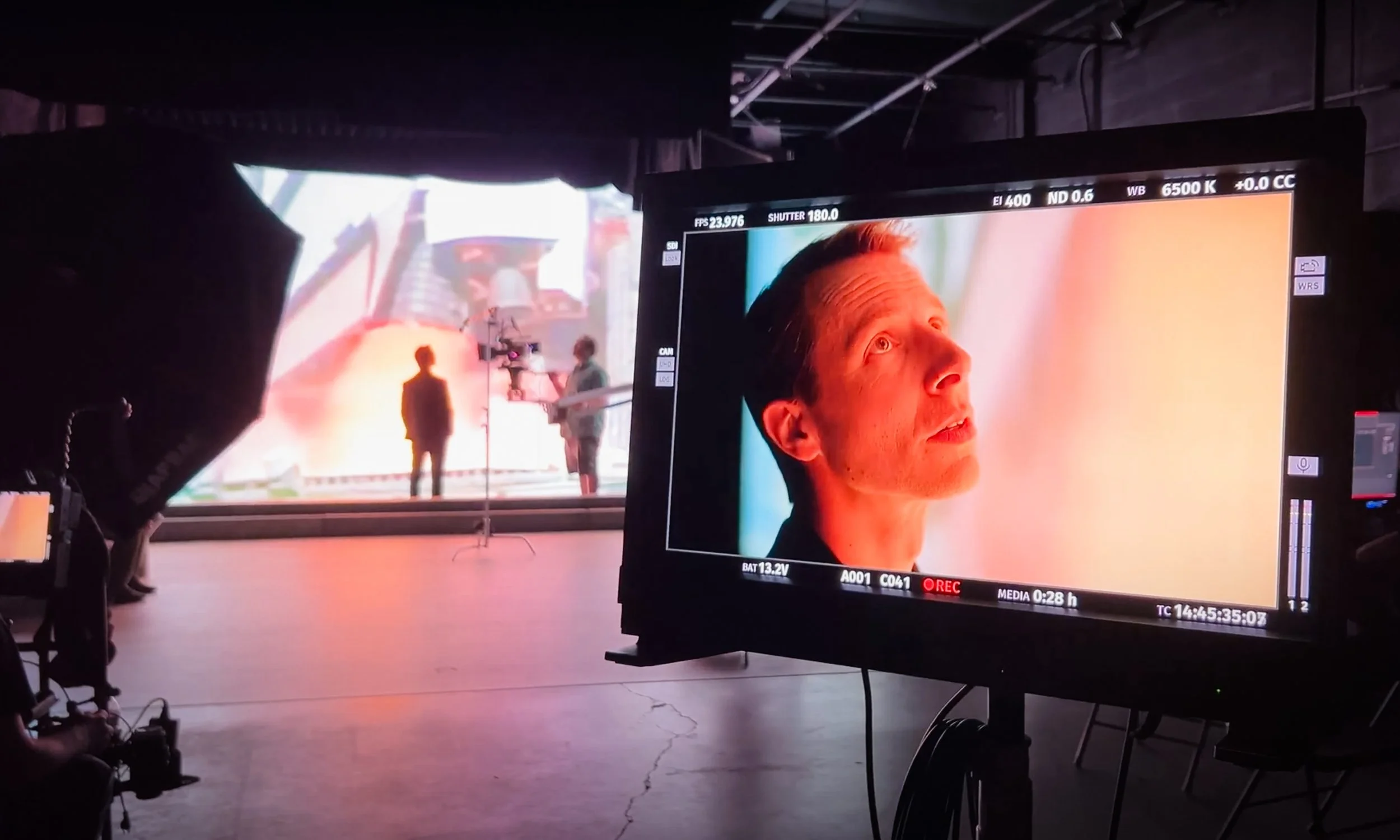
What if we bring in a cross section of the very people who the client’s mission is to inform? What if we give them the information that our client is trying to get out into the world and our cameras catch their mind’s changing? It was a risk. It was hard. It was authentic. It was a winner.
What Makes a Brand Video Emotionally Impactful?
Emotion isn’t a byproduct of a good story, it’s the goal. Too often “emotional” is equated with “dramatic”. We see sweeping scores, high-contrast lighting, and a deep voice narrating over a slow motion sequence and think it’s emotional. In truth, it’s drama.
True impact comes from authenticity, the quiet confidence that you’re showing something real. That might mean featuring the people your work affects, not just the people who represent it. It might mean choosing restraint over spectacle, or letting silence carry more weight than sound design. Real ah-ha moments sound more like, “I never thought about it that way,” than “Eureka!”
When we create for our partners, our first step isn’t scripting, it’s asking questions, it’s listening. To create something that is going to resonate, it’s important to know the people behind the product—or as my former writing teacher used to call it, “the why behind the what.” Why does the organization exist? Why is the mission important? Only when we know the answers can we build stories that resonate with the audience.
The most emotionally powerful brand videos aren’t performance pieces. They’re reflections of our client’s truth that have been crafted with care.
How Long Does It Take to Make a Short Documentary for a Campaign?
The quick answer? Anywhere from 6 weeks to 6 months. The better answer is that it depends on scope, logistics, availability, and the creative ambition of the project.
No matter what the project is it’s going to have the same three phases:
Discovery & Pre-Production (2–8 weeks)
In truth this phase could be split in two and depends a lot on the client. It starts the moment the agency receives a RFP (Request for Proposal). Defining objectives, understanding the audience, locking creative direction, and conducting copious amounts of research are the essentials for the first part. The second part is all logistics; budgets, locations, sourcing crew, prepping interviews and their subjects. Attention to detail on this end is what creates success on the other end.Production (1–3 weeks)
The actual filming of short brand documentaries can usually be accomplished in a few days or a week. The variables here are travel and subject schedules. This is where the prep work bears its fruit and flexibility becomes a super power.Post-Production (4–10 weeks)
Editing, graphic, sound, and color are where the story takes shape. The more aligned the early vision, the smoother this process runs. Multiple rounds of cuts and notes with the client ensure an end product that won’t just leave everyone satisfied, but proud of the work.
Alignment on deadlines at the beginning of the creative process is the key to a successful delivery. Almost any deadline can be met, but it’s not uncommon for the schedule to inform the creative. Let that be a strength of the project. Projects without constraints can become unfocused. It's important to use the parameters of a project (budget, format, schedule) to spark imagination and innovation.
“When you lead with your story first,
the marketing becomes easier.”
How Do I Make Sure My Video Reflects Our Brand, Not Just the Production Company’s Style?
This question could get its own article and maybe we’ll write one in the future. It’s one of the most common (and valid) concerns I hear from clients. You want your story told beautifully, but you want it to feel like your company’s voice.
This is why partnership matters.
In my last blog, I described how to choose the right production partner, and the most important part of creating videos for a brand: Listening. Early meetings with a client are filled with questions about message, audience, and mission. A true production partner’s creative signature should be adaptability, not a signature look or format. Every client’s brand should be treated like its own visual language. Motivo’s goal is to help you speak your language fluently.
This means before ever picking up a camera, we align on tone, pacing, message, and voice. It means walking through references, building lookbooks, and discussing narrative approaches. The result is a project that feels like you and is elevated by professional storytelling.
What’s the Difference Between a Marketing Video and a Brand Story?
I had this discussion with a potential client just today… Marketing videos promote. Brand stories reveal who you are.
A marketing video simply puts you in front of an audience. It’s a call to action: “Sign up”, ”Donate”, ”Join.”
A brand story draws your audience in. It says “Here’s who we are.” It builds connection and more importantly trust with your audience. How often do you see a video or promotion for an online class or product and think, “That seems like a scam,”? It’s often because you have no familiarity with the organization that’s in front of you. There’s no emotional investment in them.
When you lead with your story first, the marketing becomes easier. When the audience already knows what you stand for, they are more likely to believe in what you are saying. A strong narrative supports every other part of a campaign. Emails from companies that I don’t know end up in my spam folder. Communication from organizations that I’m emotionally invested in gets my attention.
The success of every video project or campaign depends on alignment. When collaboration and partnership are implemented from the beginning, strategy and storytelling are allowed to flourish. Clarity about deadlines and production constraints is key to keeping the focus on conveying your message and a smooth delivery.
About Motivo Media
Motivo Media is a Seattle-based video production and marketing agency specializing in storytelling for non-profits and growing businesses. With expertise in digital marketing and audience engagement, we create compelling content that connect with audiences and amplifies your mission.
Get in touch by emailing us at hello@motivo.me.